
Why Are Otoscope Covers Used in Medical Exams?

During an ear examination, an otoscope helps a clinician view the ear canal and eardrum. A small tip sits at the end of the instrument. Otoscope Covers commonly refers to disposable specula or protective tips placed there before use. They create a clean contact surface for each patient. The detail is small, but it matters.

These covers help reduce the chance of transferring earwax or microorganisms between patients. They can also make the examination more comfortable when the correct size is chosen and the tip is inserted gently. A well-fitted tip helps the clinician see inside the ear, though it cannot guarantee a clear view. Ear canals differ, and some are sensitive or partly blocked.

A cover is not a cure-all. It does not replace hand hygiene, proper instrument care, or the clinic’s infection-control procedures. Clinicians should use the type and size recommended for their otoscope, check that it is intact, and discard single-use tips after the exam. Reusable components require cleaning according to the manufacturer’s instructions. Small step. Worth doing carefully.

The term “cover” can be confusing because products and equipment may use different names. In practice, the purpose is straightforward: provide a clean, suitable tip for examining one patient at a time. Understanding how these covers are selected, used, and disposed of helps explain their role in safer, more comfortable medical exams.

Why Are Otoscope Covers Used in Medical Exams?

What an Otoscope Cover Is and How It Fits the Device

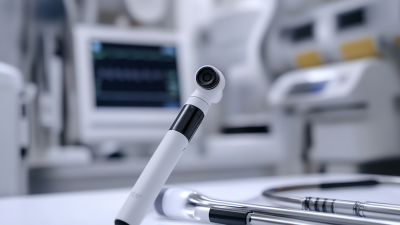
An otoscope cover is a small, usually single-use speculum fitted over the instrument’s patient-contacting tip. Its narrow end enters the ear canal; the wider base attaches to the otoscope head. Depending on the model, it may press on with a snug friction fit or lock into place. The opening must stay clear so the clinician can see the eardrum. A loose, cracked, or wrongly sized cover can shift during an exam. Not every cover fits every otoscope.

The cover creates a clean contact surface, but it does not replace cleaning the device. The CDC’s 2018 healthcare-associated infection prevalence survey estimated that about 1 in 31 U.S. hospital patients had at least one such infection on a given day. That broad figure is not evidence that otoscope covers alone prevent infections; it underscores why careful infection-control routines matter. A cover is not a magic barrier. Even experienced staff can miss a poor fit when an exam room is busy.

Tips: Check the size guide for the specific otoscope. Push the cover on firmly, then confirm it does not wobble or block the view. Discard single-use covers after the exam, and follow the facility’s cleaning instructions for the otoscope. A quick check takes seconds. Still, fit can be less obvious than expected.

How Covers Help Reduce Cross-Contamination

A fresh otoscope cover creates a clean barrier between the instrument and the next patient’s ear. During an exam, the covered tip may touch the outer ear canal, where skin flakes and earwax can collect. After use, staff remove and discard the cover rather than carrying residue to another exam. A small step. But it matters most when repeated consistently.

The World Health Organization’s 2022 global report estimates that 7 in 100 patients in high-income acute-care hospitals acquire at least one healthcare-associated infection during their stay; in lower- and middle-income countries, the estimate is 15 in 100. These figures describe healthcare broadly, not infections linked specifically to otoscopes. They show why routine infection-prevention steps deserve attention. A cover can reduce direct contact, but it cannot guarantee a sterile instrument or prevent every route of transmission.

Good practice includes hand hygiene, changing the cover between patients, and cleaning the otoscope handle and other reusable surfaces according to facility guidance. Staff should also check that a cover is intact and fits securely before examining the ear. A torn or slipping cover defeats its purpose. It is tempting to treat the sleeve as complete protection; it is only one layer, and that distinction is easy to overlook.

How Covers Protect the Ear Canal and Otoscope

An otoscope cover, often a single-use speculum fitted over the instrument’s tip, creates a clean barrier during an ear exam. The clinician can look into the ear canal without the uncovered tip touching its skin. This helps reduce the transfer of earwax, skin debris, and microorganisms from one patient to another. It also keeps residue off the otoscope’s tip and viewing area, making cleaning easier.

A cover is a small barrier, not a guarantee of sterility. The otoscope still needs appropriate cleaning and maintenance, and a fresh, correctly sized cover should be used for each patient. Fit matters: a loose cover may shift, while one that is too large can make examination uncomfortable. The clinician should guide the tip gently and avoid forcing it into the canal. Stop if there is pain. The cover reduces avoidable contact, but it cannot prevent every irritation or injury.

Tips: Check that the cover is intact and securely fitted before use. Tell the clinician if your ear feels tender, blocked, or painful. A cover should never make a painful exam feel acceptable.

When and How Covers Are Used During an Exam

Why Are Otoscope Covers Used in Medical Exams?

When and How Covers Are Used During an Exam

Before an ear exam, a clinician fits a clean, single-use speculum onto the otoscope. This small cover guides the instrument into the ear canal and helps limit transfer of wax, skin debris, and microorganisms. A fresh speculum is used for each patient. It does not replace cleaning the reusable otoscope. The CDC’s 2008 Guideline for Disinfection and Sterilization in Healthcare Facilities recommends appropriate cleaning and disinfection for reusable equipment that contacts intact skin. One patient, one clean tip.

During the exam, the clinician checks that the speculum is secure and sized for the patient’s ear. They gently guide it while looking through the otoscope, rather than pushing against resistance. Pain, a loose cover, or a damaged edge calls for a pause and reassessment. That detail is easy to miss in a busy room. The CDC estimates that about five out of six children have at least one ear infection by age three (CDC, “Ear Infection”). That figure helps explain why ear exams are common in childhood, but careful handling matters in every patient. A cover is a simple barrier, not a guarantee against infection.

Why Are Otoscope Covers Used in Medical Exams? - When and How Covers Are Used During an Exam

Exam situation When the cover is used How it is used Purpose and practical note
Routine ear examination Before examining each patient. Fit a clean, compatible speculum securely onto the otoscope head before placing it near the ear. The speculum forms the part that enters the outer ear canal. A new single-use speculum helps reduce transfer of earwax and microorganisms between patients.
Examination of the other ear Before examining the second ear, especially if the first ear has visible drainage, blood, or heavy debris. Follow the clinic’s infection-control procedure; use a fresh speculum when indicated and discard used single-use specula appropriately. Changing the speculum can help avoid carrying material from one ear to the other. Follow local protocols and the device instructions.
Choosing a speculum size Before insertion, for every patient and ear. Select a size that fits the patient’s ear canal and the otoscope. Insert gently while viewing through the instrument; do not force it. A suitable size supports a clear view and comfortable examination. The speculum should not be pushed deeply into the canal.
After the examination Immediately after removing the otoscope from the patient’s ear. Remove and discard a single-use speculum. Clean or disinfect reusable otoscope parts according to the manufacturer’s instructions and facility policy. A disposable speculum does not replace the required cleaning of reusable equipment. Reusable specula need the appropriate reprocessing between patients.
Visible contamination or damage Whenever a speculum is soiled, cracked, loose, or otherwise damaged. Do not use it. Replace it with a clean, intact, compatible speculum before continuing. Damaged or contaminated equipment may compromise safe, effective use. Check that the speculum is attached securely.
Special infection-control precautions When the patient has drainage or another condition requiring additional precautions under local policy. Use the specified personal protective equipment and equipment-reprocessing steps; use a new single-use speculum for each required examination. A speculum cover is one part of infection control, not a substitute for hand hygiene, appropriate protective equipment, or cleaning of the otoscope.

Terminology note: In routine ear examinations, “otoscope cover” commonly refers to the disposable or reusable speculum attached to the otoscope. Use only specula compatible with the device, and follow the manufacturer’s instructions and local infection-control policy.

How Used Covers Are Removed and Disposed of

After an ear examination, remove the used otoscope cover or disposable speculum carefully. Keep the instrument pointed away from your face and the patient. If gloves are required by clinic procedure, wear them. Grip the used piece at its base and avoid touching the part that entered the ear canal. Small parts can be slippery, especially when gloves are damp. Take your time.

Place the item directly into the waste container designated by the clinic. Do not set it on the examination tray for later disposal, and never reuse a single-use cover. If it is visibly contaminated with blood or other body fluids, follow the facility’s clinical waste procedure; disposal rules can vary by setting. A used item should not be put into ordinary recycling.

Then clean or disinfect the otoscope handle and any reusable parts according to the device instructions and clinic protocol. The cover helps limit contact, but it does not make the instrument sterile. Perform hand hygiene after removing gloves and handling the used item. In a busy room, this step can feel easy to rush. It is worth checking that the cover has come off completely, since a small piece left behind may be easy to miss.

Go to Top