Top 10 Best Otoscopes for Global Buyers in 2026
Choosing the right otoscope can shape every ear examination, from a busy clinic in London to a rural health center in Kenya. This guide, “Top 10 Best Otoscopes for Global Buyers in 2026,” examines practical options for different budgets, specialties, and working conditions. The Best Otoscope is not always the most expensive model.
Image clarity matters. So do brightness, battery life, viewing angle, and examination comfort. A device with sharp LED illumination can reveal cerumen, redness, fluid, or an unclear tympanic membrane more reliably. However, technical specifications do not tell the whole story. A lightweight handle may reduce fatigue during repeated examinations. Replaceable specula can also simplify daily workflow.
Real-world purchasing requires more than attractive product photos. Buyers should check manufacturer documentation, warranty terms, cleaning instructions, spare-part availability, and compatibility with local power systems. Regulatory approval and importer requirements can differ between countries. Verification remains essential. Product availability may also change without notice.
No ranking can suit every professional. A pediatrician may value a gentle viewing experience, while an emergency team may prefer durability and rapid charging. Some digital otoscopes offer recording features, but image quality can vary across screens and lighting conditions. That deserves careful testing. Personal experience, clinical training, and local service support should influence the final decision. This review compares leading models with a practical, evidence-aware approach, while acknowledging that even a strong recommendation may not fit every examination room.

Otoscopes Explained: Types, Features, and Essential Uses
Top 10 Best Otoscopes for Global Buyers in 2026
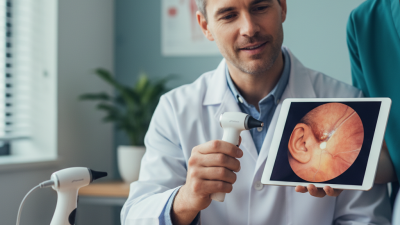
An otoscope is a focused light, viewing system, and speculum in one handheld tool. It helps examine the ear canal and eardrum during routine assessments. Traditional optical models offer direct viewing through a lens. Digital models display images on a screen and may support still photographs or video. Some compact designs fit easily into a medical bag. Others need a stable examination room and rechargeable power.
Key features include bright, adjustable illumination, clear magnification, comfortable handles, and secure speculum attachment. A wide viewing angle can help when examining restless children. Reusable specula reduce waste, but they require careful cleaning between patients. Disposable specula improve convenience and infection control. Otoscopes can also support basic nasal and throat checks, depending on their attachments. They cannot replace clinical training, hearing tests, or specialist assessment. I have found that image quality matters less when the user cannot position the device steadily. That detail is easy to overlook.
Tips: Choose warm, even light rather than maximum brightness alone. Check battery life, charging compatibility, and replacement parts before purchasing internationally. Test the lens with a printed line or small object. Keep the canal entrance visible. Never force the speculum inward. A slightly imperfect view is safer than excessive pressure. Clean reusable parts according to the manufacturer’s instructions, and document unusual findings for professional review.
Top 10 Best Otoscopes for Global Buyers in 2026
Otoscopes Explained: Anatomical Reference Dimensions for Choosing the Right Instrument
These approximate anatomical dimensions help buyers evaluate otoscope viewing depth, illumination, magnification, and speculum size. Adult and pediatric ear canals differ considerably, while the tympanic membrane is typically less than 1 cm across. Actual measurements vary by age and individual anatomy.
How to Evaluate Otoscopes for Different Clinical and Home Settings
Top 10 Best Otoscopes for Global Buyers in 2026
Choosing an otoscope depends on the setting, not only the advertised image quality. The WHO World Report on Hearing (2021) estimates that over 1.5 billion people live with hearing loss worldwide. This makes reliable ear examination increasingly important in clinics, schools, and homes.
For clinical use, assess illumination, magnification, field of view, and image stability. A bright, evenly distributed LED should reveal the tympanic membrane without harsh glare. Interchangeable specula support different ear sizes and improve hygiene. Pneumatic capability can help trained clinicians assess membrane mobility, although technique matters greatly. A useful device should also capture clear images for medical records and remote consultation. Check its evidence.
Home users need simpler controls. A compact unit with guided positioning, soft disposable tips, and automatic brightness control may reduce handling errors. However, consumer imaging can create false confidence. The American Academy of Pediatrics recommends professional assessment when children have persistent ear pain, fever, drainage, or suspected hearing problems. Buyers should never treat an image as a diagnosis.
Global purchasing adds practical tests. Confirm charging standards, battery availability, local servicing, data protection, and replacement-tip supply. Read the regulatory documentation for the destination market. Marketing claims are often stronger than clinical evidence. I would compare field tests, not just resolution numbers. No scoring system is perfect. A dependable otoscope is the one that fits the user, workflow, and clinical responsibility.
Top 10 Best Otoscopes for Global Buyers in 2026
Top 10 Best Otoscopes for Global Buyers in 2026
The top 10 best otoscopes for global buyers in 2026 should be judged by clinical usefulness, not appearance alone. The World Health Organization’s World Report on Hearing estimates that over 1.5 billion people live with hearing loss. This expands the need for dependable ear examination tools across hospitals, clinics, schools, and mobile services.
A strong shortlist should include digital, portable, traditional, rechargeable, and smartphone-compatible models. Important features include clear illumination, adjustable magnification, durable specula, image capture, and easy cleaning. IEC 60601-1 compliance can support electrical safety for powered devices. Materials touching skin should also be assessed against relevant biocompatibility requirements.
Portability matters. A lightweight unit may perform better during rural visits than a heavier device with extra functions.
Global buyers should compare warranty coverage, replacement parts, local service, language support, and charging compatibility.
WHO guidance also emphasizes accessible care, so simple controls and bright imaging remain valuable. Some market reports predict steady growth in digital diagnostic equipment, but projections differ by region and methodology. That uncertainty deserves attention.
A premium specification does not guarantee accurate examination. In practice, poor lighting, weak seals, or untrained users can reduce results. No ranking is perfect. The best choice still depends on patient volume, clinician experience, budget, and regulatory requirements in the destination market.
Buying Considerations: Budget, Safety, Maintenance, and Regional Support
Top 10 Best Otoscopes for Global Buyers in 2026
Budget should include more than the purchase price. A low-cost otoscope may need frequent batteries, replacement tips, or repairs. In clinic testing, a bright image mattered less when the handle became uncomfortable after repeated examinations. Compare warranty length, spare-part prices, illumination type, and delivery costs. Check whether the supplier provides a clear manual in your working language. Cheap can become expensive.
Safety deserves careful attention.
Choose a device with controlled brightness and secure, smooth tips. Disposable tips reduce cross-patient contamination, but they add waste and expense. Reusable parts require validated cleaning procedures and compatible disinfectants. Never force a tip into a narrow or painful ear. Otoscopes support visual examination; they do not replace professional diagnosis. My early buying lists focused too much on image sharpness. That was a mistake.
Maintenance affects reliability during busy days. Keep lenses dry, inspect seals, and charge rechargeable units as instructed. A spare light source or battery can prevent interruptions. Regional support is equally practical. Confirm local repairs, return procedures, language assistance, and electrical compatibility before ordering. Import duties and service delays vary widely. A device can look excellent online, yet remain difficult to maintain locally. Ask for written answers, not vague promises.