Best WiFi Otoscope Manufacturers in China
Choosing a reliable Wifi Otoscope manufacturer in China takes more than comparing product photos or advertised camera resolution. Buyers should examine image clarity, lighting consistency, wireless stability, app usability, and the quality of the probe’s protective covers. Small details matter. A crisp image is less useful if the connection drops or the app is difficult to operate.
This guide introduces factors for assessing manufacturers, including product specifications, production experience, quality-control practices, customization options, and after-sales support. When possible, request current technical documents and evaluate a sample under realistic conditions. Check how the device handles close-up focus, how comfortably it fits in the hand, and whether the live image remains steady on a phone screen. These practical checks can reveal differences that a catalog may not show.
Manufacturer claims still deserve careful review. A polished brochure cannot replace consistent testing, clear communication, or evidence that specifications match the delivered product. Looks can mislead. Buyers should also confirm the intended use, cleaning instructions, compatibility, and support arrangements before making a decision. A Wifi Otoscope can help users view the ear canal, but it should not replace professional medical assessment when symptoms or concerns arise. The sections that follow offer a measured starting point for comparing China-based manufacturers, while recognizing that the best choice depends on the buyer’s requirements, verification process, and willingness to ask difficult questions.
Understanding WiFi Otoscopes and Their Applications
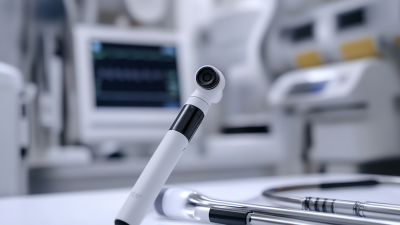
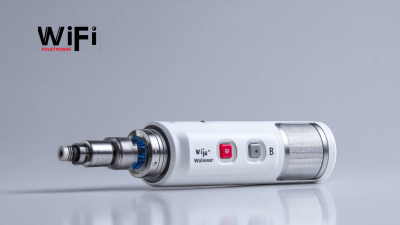
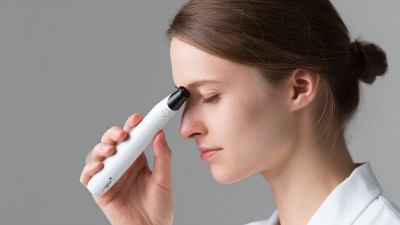
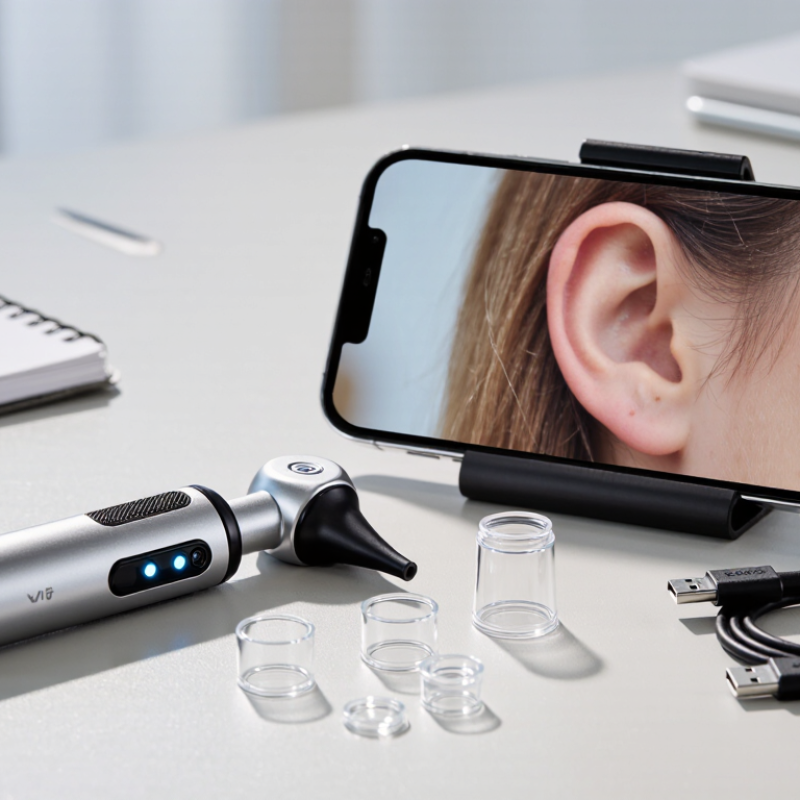
A WiFi otoscope combines a small camera and light with a phone or tablet. It displays the ear canal in real time and can save images for later review. Small detail, big difference. A clear view depends on gentle positioning, steady lighting, and a compatible device—not the camera alone.
The World Health Organization’s 2021 World Report on Hearing estimates that 1.5 billion people live with hearing loss. It projects nearly 2.5 billion by 2050. These figures are not specific to WiFi otoscopes, but they show why accessible ear assessment matters. In clinics, connected scopes can support examination, follow-up, and remote consultation. At home, they may help users document concerns for a clinician. An image is not a diagnosis.
For manufacturers in China, practical design matters more than flashy specifications. Look for stable wireless transfer, useful illumination, a comfortable viewing angle, and clear image-storage controls. Tip hygiene and simple cleaning instructions also matter. WiFi can lag, and phone screens vary. A picture may look reassuring while hiding wax, movement, or a poor angle; that limitation deserves more attention.
How to Evaluate WiFi Otoscope Manufacturers in China
Best WiFi Otoscope Manufacturers in China
How to Evaluate WiFi Otoscope Manufacturers in China
Evaluate each manufacturer with a written test plan, not a polished product demo. Check image resolution, focus range, frame stability, connection delay, and performance through a typical clinic’s walls. Ask for raw sample images, app compatibility details, battery-cycle results, and inspection records tied to production batches. A clear answer matters. So does a clear test method. Confirm which materials contact the ear and how the device and accessories are cleaned.
The ITU’s Facts and Figures 2023 estimated that 5.4 billion people, or 67% of the global population, used the internet. That figure shows broad connectivity, not dependable WiFi in every room. Request a live demonstration at different distances and with a weak signal. Ask whether images remain saved if the connection drops. A showroom test can conceal problems. No checklist catches every failure, and that is worth admitting.
Tips: Request a sample unit and test it with your intended phone or tablet. Compare quoted specifications with measured results, warranty terms, and replacement-part availability. Ask for quality-management documentation and a recent factory audit summary. If responses stay vague, pause before placing a large order.
Leading WiFi Otoscope Manufacturers in China
China’s leading WiFi otoscope manufacturers are best judged by more than camera resolution. Their products must deliver stable wireless connections, clear views of the ear canal, and practical controls for cleaning and image capture. The World Health Organization’s 2021 World Report on Hearing estimates that nearly 2.5 billion people will experience some degree of hearing loss by 2050, with at least 700 million needing hearing rehabilitation. That scale makes dependable ear-imaging tools important, though an otoscope cannot replace a clinical examination.
For buyers comparing Chinese suppliers, request sample images under dim and bright conditions, then test video lag on common phones. Check whether the viewing tip is comfortable, the battery lasts through repeated examinations, and the app explains image storage clearly. Small details matter. A polished demo can hide weak connection stability or uneven lighting. Ask manufacturers for documented quality-control procedures, product specifications, and after-sales support; verify claims with a sample order rather than relying on a catalogue.
Manufacturing capacity is useful, but consistency matters more. Ask how each unit is inspected and how software updates are handled. Some suppliers provide limited evidence for long-term performance; that gap deserves attention. The WHO report describes a growing need for hearing care, not proof that any particular device improves outcomes. Good sourcing therefore pairs practical testing with cautious claims.
Best WiFi Otoscope Manufacturers in China: Wi-Fi Band Comparison
Nominal frequencies of the two commonly referenced Wi-Fi bands. Use this technical context when checking a supplier’s product specifications; it does not compare individual manufacturers or imply that every otoscope supports both bands.
The 2.4 GHz and 5 GHz labels are nominal band names. Available channels and device support can vary by region and product.
Product Features, Manufacturing Standards, and Certifications
When comparing WiFi otoscope manufacturers in China, look beyond camera resolution. A clear image matters, but so do stable wireless transmission, adjustable lighting, and a comfortable, easy-to-clean handle. Ask for sample footage showing earwax and skin under realistic lighting. Check whether the app works with your intended phones and explains image storage clearly. Small details count. A lagging preview can make an otherwise sharp camera frustrating to use. A polished specification sheet cannot prove consistent performance, so request sample testing and inspect the product yourself.
Manufacturing standards and certificates deserve careful review. Ask whether the factory operates a quality management system such as ISO 13485, and confirm the certificate’s scope and validity with its issuer. Depending on the product design and target market, request relevant electrical safety, electromagnetic compatibility, and materials test reports. CE marking or other market-specific documentation should match the exact model, not merely a similar product. Also review incoming component checks, final inspection records, and traceability for production batches. One gap: paperwork alone does not show how quickly a supplier handles defects or software updates. Ask for written warranty terms and a clear process for reporting issues.
Tips: Compare the same features across suppliers, including lens angle, illumination controls, connection stability, and cleaning guidance. Request current documents before placing an order. Test a sample over several sessions; one successful connection proves little.
Choosing a Manufacturer for Your Business Needs
Choosing a WiFi otoscope manufacturer involves more than comparing quoted prices. Check how the device performs in realistic conditions: does the image remain stable when the probe moves, and does the connection recover after a brief interruption? Ask for sample units and test them with the phones or tablets your customers commonly use. A crisp image is useful. A confusing app is not.
Review the manufacturer’s quality-control process. Ask how each batch is checked for image consistency, charging performance, and wireless connection reliability. Request written specifications, inspection records, and details about available technical support. These documents help you compare suppliers on more than promises. Also discuss minimum order quantities, packaging options, lead times, and replacement procedures before placing an order.
Small details matter. Test the controls with one hand, inspect how the probe cable bends, and note whether setup instructions are clear. If your team needs custom packaging or a different app interface, confirm the scope, cost, and timeline in writing. Be cautious when answers are vague. Still, a polished sample does not guarantee every production unit will match it; that deserves a follow-up inspection plan. Choose a partner whose communication stays practical after the first sale, not just during negotiations.