10 Tips for Buying Paper Takeaway Containers
Choosing Paper Takeaway Containers is not just a matter of picking a brown box. The right container should protect the meal, suit your menu, and make service easier. A container that looks sturdy on a shelf may soften under hot, oily food. A lid that fits poorly can turn a short delivery into a messy one. Small details matter.
Packaging researcher Dr. Susan Selke studies packaging materials and sustainability. A practical paraphrase of a principle reflected in her work is: “Judge packaging by how it performs throughout its use, not by appearance alone.” This is not a verbatim quotation. It is a useful lens for comparing options. Start with the food: soup, fried sides, and bakery items place different demands on paper packaging. Then check dimensions, closure, grease resistance, stacking strength, and supplier specifications. Ask for samples and test them with real portions, at realistic temperatures, and over your typical delivery time. A quick counter test helps. A busy lunch rush teaches more.
Price deserves attention, but the lowest unit cost may bring crushed corners, leaks, or wasted food. Meanwhile, a premium container is not automatically the better choice. Look for clear product information and claims you can verify. Consider storage space, ordering quantities, and whether the packaging suits your brand. There is no perfect option for every menu; even careful tests may miss a rough delivery or an unusually long wait. These ten tips offer a practical starting point for buying Paper Takeaway Containers with fewer surprises and better-informed trade-offs.
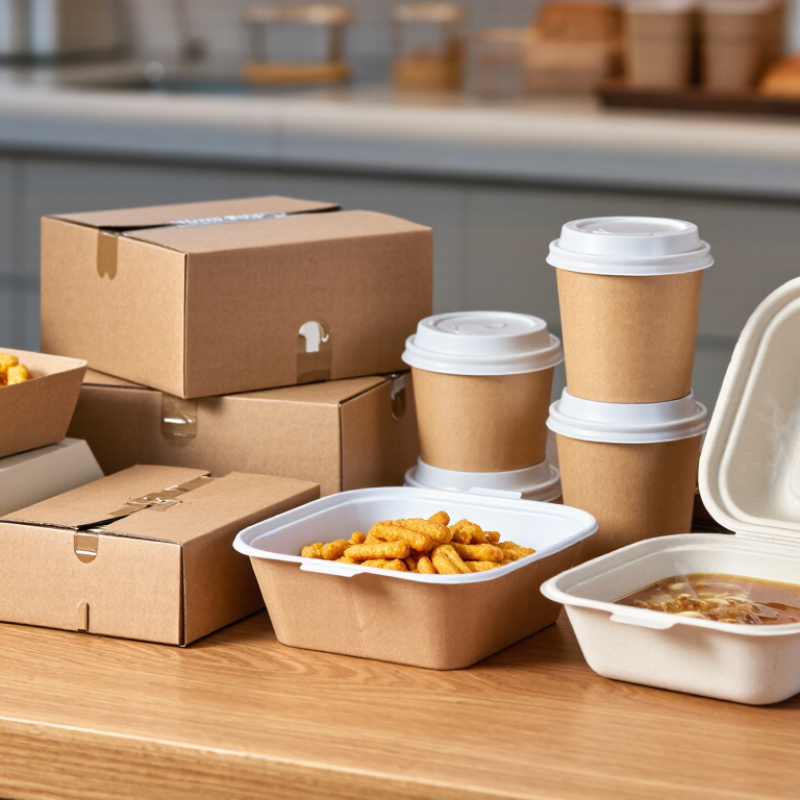
Define Your Takeaway Packaging Needs and Meal Types
Before buying paper takeaway containers, list the meals your kitchen actually serves. A crisp salad needs different packaging from hot noodles or a sauced rice bowl. Note portion sizes, toppings, and whether customers receive cutlery separately. Check how long meals usually travel, too. A ten-minute walk and a forty-minute delivery place different demands on a container.
Look closely at moisture, oil, and heat. Dressings can soften some paper packaging, while steam may affect food texture and lid fit. For soup or curry, check that the container and closure stay secure when filled and carried. For sandwiches or pastries, a roomy box can prevent crushed edges. Small details matter. Observe how staff pack orders during a busy shift: awkward lids can slow service, even when the container looks suitable on a shelf. Ask a few regular customers whether portions arrive intact. Their feedback may reveal problems you missed.
Before placing a large order, test samples with real menu items. Fill them, close them, stack them, and carry them along a typical delivery route. Check for leaks, greasy spots, and trapped steam after the usual waiting time. One test may not represent every order, and kitchens change. Still, a short trial can help you choose packaging that fits your meals rather than relying on appearance alone.
Compare Paper Materials, Coatings, and Barrier Properties
Paper takeaway containers can look similar on a shelf but behave very differently with food. Unbleached kraft paper often has a natural, textured appearance, while bleached paper gives a cleaner, lighter surface. Neither choice guarantees strength or leak resistance. Check the paper weight and construction, but do not assume that thicker means better. A rigid base can still soften when filled with hot soup. Looks can mislead.
The coating is what often determines how well a container resists moisture and grease. Water-based coatings may suit some foods, while other coatings provide a stronger barrier for oily or wet meals. Ask for clear information about coating composition and food-contact suitability, then test samples with your actual menu. Fill one with steaming rice, another with saucy noodles, and leave them for your usual delivery time. Notice whether the base buckles, grease marks appear, or the lid traps too much condensation. Steam changes everything. I still find it easy to overlook the lid: a sturdy bowl can disappoint if its closure loosens during a short ride. Compare performance, not just appearance, and record what happens under real serving conditions.
Choose Container Sizes, Shapes, and Closure Styles
Choose sizes by the food, not just the menu description. A rice bowl with sauce needs more headspace than a dry pastry. The National Restaurant Association’s 2024 State of the Restaurant Industry reports that 47% of adults consider takeout and delivery essential to their lifestyle. That demand makes portion fit a daily operational choice. Test a filled container during a real service: stack it, carry it, and check whether steam softens the base. Too much extra space lets food slide. Too little can press toppings into the lid.
Match the shape to how the meal travels. Round tubs suit soups and salads; rectangular trays use shelf space efficiently and can separate sides. Compartmented designs help keep crisp and moist foods apart, though dividers reduce usable volume. Choose a closure that staff can secure quickly and customers can open without tearing the rim. Fold-over tabs work for many dry meals, while a fitted lid is often more dependable for saucy dishes. Check the actual fit. A lid that seems snug when empty may loosen when the container is warm or overfilled. I’d still test the odd menu item; one awkward portion can expose a sizing mistake.
Check Food Safety, Sustainability, and Supplier Standards
When buying paper takeaway containers, check that the supplier identifies which foods and temperatures each container is designed for. A box that holds a dry pastry may soften under hot, oily noodles. Ask for food-contact testing documents and clear information about coatings, inks, and any recycled fiber. Ask for evidence. Keep the documents with the product specifications, so staff can check them when an order changes.
Sustainability claims need specifics. Ask where the paper comes from, what recycled content is used, and whether the container’s lining affects recycling or composting. Disposal options depend on local facilities, so avoid relying on a vague “eco-friendly” label. A supplier should explain the claim and provide supporting information. Small details matter. I would not treat a green label as proof; it is only a starting point.
Supplier standards matter after the sample arrives, too. Request consistent dimensions, material specifications, batch identification, and a process for reporting defects. Test a small shipment with real menu items: fill containers with soup, stack them, and leave them for your usual delivery time. Look for leaks, soft corners, loose lids, and condensation. That test is imperfect, but it can reveal problems a product sheet misses. Compare sample results with the supplier’s written specifications before placing a larger order.
Compare Costs, Storage Requirements, and Order Quantities
Compare the cost per usable container, not just the carton price. A case of 500 may look cheaper, but freight, damaged pieces, and storage costs change the real figure. Request prices at several order quantities, then include delivery fees and minimum-order charges. Check whether lids are included. A low container price can hide a separate lid cost. Small differences add up. If possible, order a sample case and test it with your actual menu items. Grease or steam may affect how well a container performs.
Measure the shelf space before choosing a case size. Note the carton’s length, width, and height, then check whether staff can reach it without moving other supplies. Paper containers should stay dry and away from sinks, ovens, and damp floors. A cheap bulk order is less useful if cartons block an aisle or absorb moisture. Storage is easy to overlook.
Match order quantities to real usage. Review several weeks of sales, including busy and quiet periods, and estimate how quickly you can use each case. Forecasts are never exact. Seasonal demand can shift, and leftovers take up space. A smaller, more frequent order may cost more per unit but reduce waste and free shelf room. The right balance depends on cash flow, delivery timing, and available storage.