10 Tips to Prevent Mouse Droppings and Disease Outbreaks
Mouse Droppings And Disease are significant concerns for many homes and businesses. According to the Centers for Disease Control and Prevention (CDC), rodent droppings can spread serious illnesses, including Hantavirus and leptospirosis. These diseases pose risks not only to humans but also to pets.
Each year, millions of dollars are spent on pest control measures. In urban areas, the likelihood of rodent infestation increases due to factors like waste management and accessible food sources. Studies show that around 29% of homes experience rodent problems at some point. The proper management of mouse droppings and potential disease outbreaks is crucial for public health.
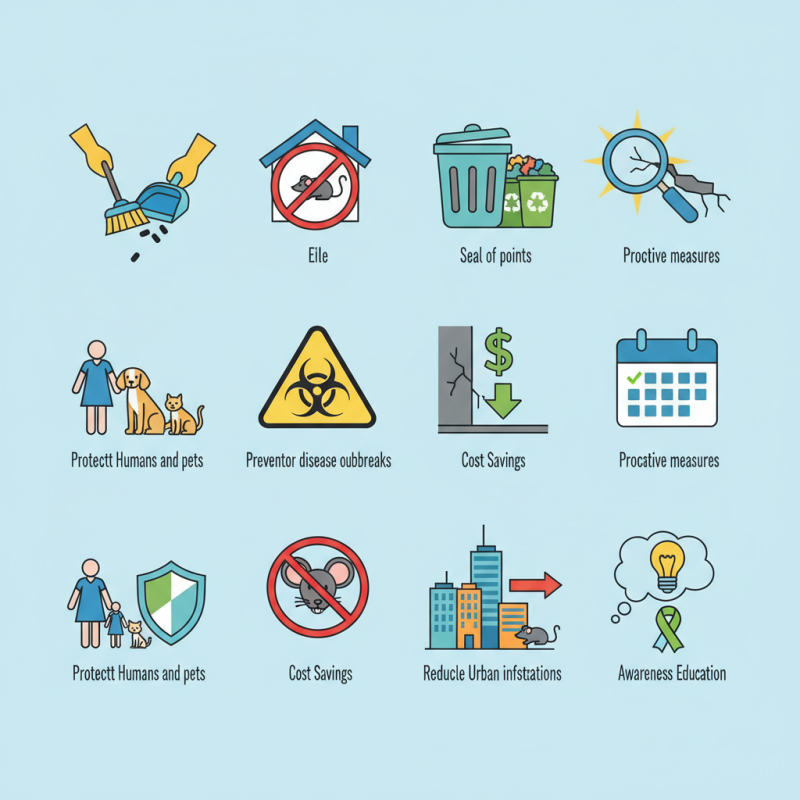
Preventing mouse infestations can reduce contamination. Effective sanitation practices, sealing entry points, and proper waste disposal are essential. Awareness and proactive measures are key in combating the issue of mouse droppings and disease. Where there are mice, there’s a risk, and understanding that risk is vital for any community's safety.
Understanding the Health Risks Associated with Mouse Droppings
Mouse droppings pose serious health risks. They can carry diseases like hantavirus and leptospirosis. Exposure to urine and droppings can lead to respiratory issues. Understanding these risks is essential for maintaining a healthy living environment.
To minimize mouse activity, seal all cracks in walls and around windows. Ensure doors and windows fit tightly. Regularly checking for signs of mice can help catch issues early. Clean areas frequently where food is prepared or stored.
Proper waste management is crucial. Use secure bins to keep food scraps safe. Keep your kitchen and dining areas free of crumbs. Consider natural deterrents, like peppermint oil, which may keep mice at bay. Preventing infestation is not just about cleanliness; it requires ongoing vigilance.
Health Risks Associated with Mouse Droppings
Identifying Common Signs of Mouse Infestations
Identifying mouse infestations early can prevent significant health risks. Mice can carry diseases such as hantavirus and leptospirosis. According to the Centers for Disease Control and Prevention (CDC), these diseases can lead to severe health issues. Recognizing signs early is crucial for maintaining a safe environment.
Droppings are the most common sign of mouse activity. Mouse droppings are small, dark, and rod-shaped, typically measuring about 1/4 inch long. Finding these in kitchen corners or pantry shelves should raise immediate concern. Sound of scratching or gnawing, especially at night, may also indicate a mouse presence. These pests are nocturnal, meaning they are active when most humans are asleep.
Furthermore, look for nesting materials like shredded paper or fabrics. Mice often build nests in hidden areas, making homes in wall cavities or under appliances. A 2022 report from the National Pest Management Association noted that 21 million homes in the U.S. experienced mouse infestations last year. If you notice these signs, it’s important to act quickly. Ignoring these indicators can lead to larger infestations, increasing the risk for serious health hazards.
10 Tips to Prevent Mouse Droppings and Disease Outbreaks - Identifying Common Signs of Mouse Infestations
| Tip Number | Prevention Tips | Signs of Infestation |
| 1 | Seal entry points | Chewed wires or holes |
| 2 | Maintain cleanliness | Droppings near food sources |
| 3 | Store food in airtight containers | Gnawed food packages |
| 4 | Regularly check attic and basement | Mouse nests made of shredded material |
| 5 | Install traps strategically | Sightings of live or dead mice |
| 6 | Use natural repellents | Unusual smells and noises at night |
| 7 | Keep clutter to a minimum | Tracks or trails in dust |
| 8 | Trim vegetation around the property | Scratch marks on surfaces |
| 9 | Educate family members | Increased frequency of mouse activity |
| 10 | Contact pest control services if needed | Possible signs of disease outbreaks |
Implementing Effective Sanitation Practices to Deter Mice
Maintaining a clean environment is essential to deter mice and prevent disease outbreaks. Implementing effective sanitation practices is the first line of defense. Focused cleaning routines can significantly reduce rodent attraction. Ensure spills are cleaned promptly. Store food in airtight containers. Regular waste disposal is crucial; use sealed bins.
Incorporating proper sanitation techniques involves more than just cleanliness. Inspect areas where food is prepared. Regularly check behind appliances for crumbs and residues. Mice are drawn to the slightest scent of food. Don't forget to clean often-overlooked spots like under the fridge or in cupboards.
Consider natural deterrents like peppermint oil. This can disrupt a mouse’s sense of smell. It's an alternative to commercial products. However, while they can help, no method is foolproof. Regular monitoring is necessary. If droppings are found, it indicates a larger issue that needs immediate attention. Create routines that ensure cleanliness remains a priority. Even a small lapse can create a welcoming space for these pests.
Sealing Entry Points: How to Fortify Your Home Against Rodents
Rats and mice can enter your home through tiny gaps. Sealing entry points is an effective way to minimize these risks. Inspect the foundation, doors, and windows regularly. Look for cracks or holes that may seem insignificant. A gap as small as a quarter of an inch can be an invitation for rodents.
Using materials like steel wool or caulk can help seal these openings. Ensure that vents and chimneys are secure as well. This may take time but can significantly reduce rodent access. Consider hiring a professional if you're unsure about how to properly seal your home.
It's crucial to maintain cleanliness to deter mice. Regularly clean behind appliances and under furniture. Though sealing can reduce entry points, it cannot eliminate all risks. Be vigilant and proactive. You must remain aware of your surroundings to spot any signs of infestation early on. This approach will help protect your home from unwanted visitors.
Choosing Safe and Effective Pest Control Methods for Mice
Mice can carry diseases that pose serious health risks. When controlling these pests, it is essential to choose safe and effective methods. This ensures both human health and environmental safety. Pest control professional organizations report that improper methods can lead to increased infestations. Understanding effective techniques is crucial.
Start by sealing up any cracks or gaps in your home's exterior. Mice can squeeze through openings as small as a quarter. Regularly inspect areas like basements and attics. Proper sanitation is equally vital. Keep food in sealed containers to reduce attraction. Dispose of garbage properly and clean spills promptly.
When choosing control methods, consider using non-toxic options. These products are effective without harming other wildlife or pets. Integrated Pest Management (IPM) allows for a balanced approach. It uses a combination of techniques to manage pest populations effectively. Monitor for signs of mice and adjust methods as needed. Data shows that homes practicing IPM see a 30% reduction in pest complaints.
Prevention requires diligence. Evaluate your control methods regularly. Experiment with different strategies to find what works best for your situation. Make adjustments based on outcomes, ensuring your approach remains effective and safe.