How to Choose the Right Gate Valve for Your Application
Choosing the right gate valve is not simply a matter of matching pipe size. It requires a practical understanding of pressure, temperature, media, flow direction, and maintenance conditions. A valve used for clean water may fail quickly when exposed to abrasive slurry or corrosive chemicals. The correct gate valve should isolate flow reliably, limit pressure loss, and suit the system’s operating environment.
Start with the application, not the product catalogue. Confirm the line size, pressure class, temperature range, and fluid composition. Check whether the pipeline carries gas, steam, oil, wastewater, or solid particles. These details influence the body material, seat design, stem construction, and sealing method. Rising-stem models provide visible position feedback, while non-rising stems can save space in crowded installations. Neither option is universally better.
Installation experience also matters. A gate valve is designed mainly for fully open or fully closed service. Using it to regulate flow can damage the seats and create unstable operation. It sounds obvious, yet this mistake appears in real plants. Leave enough clearance for handwheel movement and future packing replacement. Consider actuation when manual operation becomes slow, unsafe, or physically demanding.
Reliable selection also depends on recognised standards, verified pressure ratings, and supplier documentation. Look for material certificates, test records, maintenance guidance, and evidence of service performance. A cheaper valve may reduce the initial budget but increase downtime later. The best choice balances safety, durability, compatibility, and total ownership cost. Even experienced engineers should review assumptions before approval. Small details often decide whether the valve performs for years or fails during a critical shutdown.
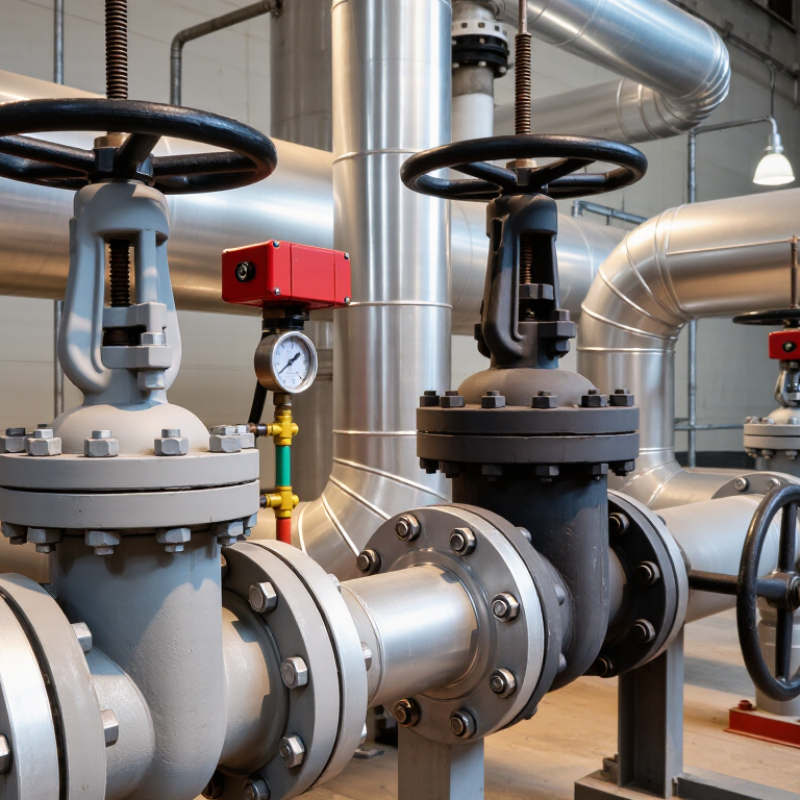
Define Service Conditions: Pressure, Temperature, Fluid, and Flow Rate
How to Choose the Right Gate Valve for Your Application
Begin with the actual service conditions, not a catalog size. Record normal and maximum pressure, operating temperature, fluid type, and expected flow rate. A valve rated for pressure at room temperature may perform differently at elevated temperatures. Check the pressure rating at the real design temperature. Record both.
Fluid chemistry deserves careful attention. Water, steam, oil, acids, and abrasive mixtures can require very different body, trim, and sealing materials. Consider concentration, viscosity, suspended solids, and possible corrosion. A clean liquid is not always truly clean. Small particles can damage seating surfaces over time.
Flow rate helps determine the valve size and connection arrangement. Oversizing may reduce velocity, but it can also create poor control and unnecessary cost. Undersizing increases pressure loss and may raise erosion risks. Gate valves usually suit fully open or fully closed service, rather than continuous throttling. Also examine start-up surges, thermal expansion, and water hammer. Field reviews often reveal conditions missing from the original specification. That is where selection becomes less certain. Question the assumptions. Review unusual operating cases with qualified engineers, and compare them against measured plant data whenever possible.
Verify Materials Against Corrosion and Temperature Limits
Selecting a gate valve starts with the fluid, but material verification often determines long-term reliability. Corrosion can attack the body, gate, stem, or seat at different rates. Match every wetted part to the process chemistry, not only the main body material.
Chlorides may cause pitting in stainless alloys, especially in warm, stagnant water. Acids, caustics, and wet gases require separate compatibility checks. Review concentration, flow velocity, impurities, and exposure time. Temperature changes matter. A valve rated for a hot process may still fail during rapid cooling. Thermal cycling can distort seals and weaken tight shutoff.
Do not guess.
Use documented pressure-temperature tables, corrosion data, and material certificates before ordering. Confirm the lowest and highest operating temperatures, including startup, shutdown, and cleaning cycles. Check whether the seat and packing have narrower limits than the metal body. In field reviews, I have seen valves selected correctly for normal operation but overlooked during steam cleaning. That mistake was expensive. It also delayed production.
Ask for traceable test records when service conditions are severe. Verify that the proposed alloy, trim, gasket, and coating match the actual fluid. If the chemistry is uncertain, request laboratory testing or a qualified materials review. A simple compatibility chart is useful, but it cannot replace site-specific judgment. Recheck assumptions after process changes, because a small increase in temperature or contaminant level can change corrosion behavior quickly.
How to Choose the Right Gate Valve for Your Application
Verify body materials against corrosion exposure and temperature limits before selecting a valve.
Ductile iron
Suitable for many water and utility services with moderate temperatures. Limited resistance to strong acids, seawater, and aggressive chemicals.
Carbon steel
Common for oil, gas, steam, and general industrial service. Requires corrosion control when exposed to oxygenated water, acids, or chlorides.
316 stainless steel
Improved resistance to chlorides and many chemical environments because of its molybdenum content, but it can still suffer pitting and crevice corrosion.
Nickel alloy
Often selected for severe chemical, high-temperature, or chloride-bearing services. Confirm compatibility with the specific process chemistry.
Indicative upper screening temperatures shown in °C for common valve-body material families. Actual allowable limits depend on pressure class, wall thickness, trim, gasket, thermal cycling, and the applicable pressure-temperature standard. Confirm final ratings with ASME B16.34, relevant ASTM material specifications, and the valve datasheet.
Check Dimensions, Actuation, and ISO 5208 Leakage Requirements
How to Choose the Right Gate Valve for Your Application
Choosing a gate valve starts with dimensions, not appearance. Check the nominal size, face-to-face length, flange drilling, pressure class, and bore diameter. A few millimeters can disrupt an existing pipeline. Leave enough clearance for the handwheel, actuator, and stem movement. Gate valves usually suit full-open or full-closed service, not regular throttling. Partial opening may cause vibration, erosion, and unstable flow.
Actuation depends on access, operating frequency, and emergency needs. A manual handwheel works well for infrequent operation, but high torque can make it impractical. Electric, pneumatic, or hydraulic actuators may improve control in remote locations. Confirm torque requirements at the worst pressure condition. Also check the available power, mounting space, environmental protection, and required fail position. This detail is often overlooked.
Tips: Request an ISO 5208 leakage test certificate, and confirm the specified acceptance rate before ordering. ISO 5208 evaluates valve seat and closure leakage under defined test conditions. Do not assume “zero leakage” without a stated test rate and pressure. Compare the certificate with your process requirements. In practice, specifications are sometimes incomplete. Recheck the medium, temperature, pressure, and installation direction with the supplier’s technical team. A careful review prevents expensive field corrections.