How to Choose the Best Camping Sleeping Bag for Your Adventure?
Choosing the best camping sleeping bag can feel daunting. According to the Outdoor Industry Association, 40 million Americans camp annually. As outdoor adventures grow, selecting the right sleeping bag becomes crucial. A good sleeping bag enhances comfort and ensures warmth in various weather conditions.
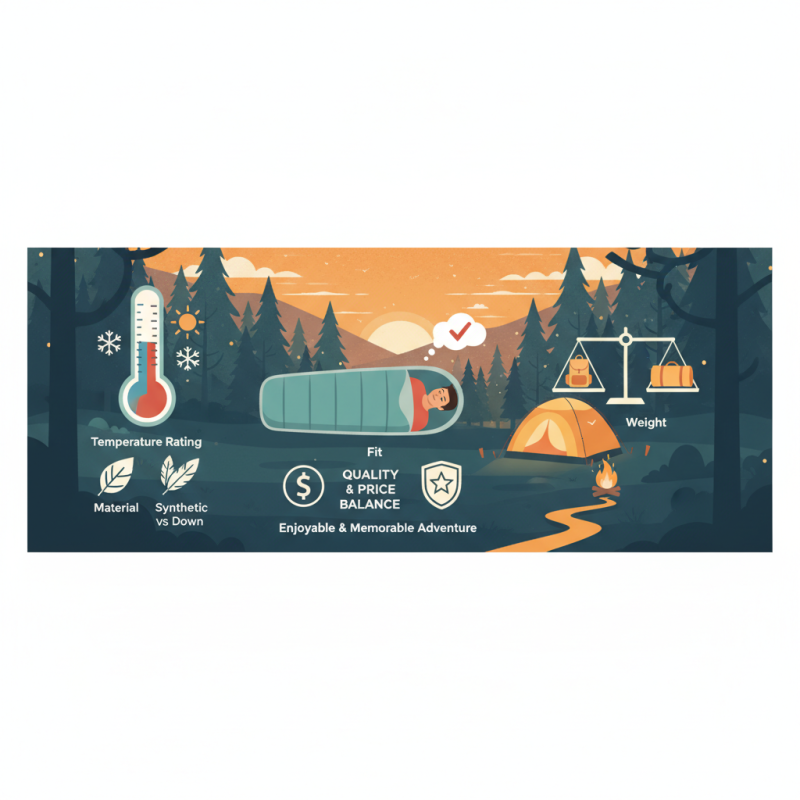
First, consider the temperature rating. Some bags are suitable for summer, while others are designed for winter. Knowing your typical camping climate can guide your choice. The material, style, and weight also play significant roles. Synthetic bags tend to be less expensive, but down bags are known for their insulation properties.
Mistakes happen. Many campers underestimate the importance of fit. A bag that’s too large can lead to heat loss, while one that’s too small limits movement. It’s essential to test how a bag feels. Review models from reputable brands, but don't forget about budget options. Remember, your ideal camping sleeping bag should balance quality and price, making your adventure enjoyable and memorable.
Understanding Different Types of Sleeping Bags for Camping
When choosing a sleeping bag for camping, understanding the types is crucial. There are three main categories: rectangular, mummy, and semi-rectangle. Rectangular bags offer room to move. They are spacious and great for family camping. However, they may not provide the best insulation in colder weather.
Mummy bags are designed for warmth. They hug the body closely, minimizing heat loss. This design is perfect for cold weather adventures. However, they can feel a bit restrictive. Some people may find them uncomfortable. Semi-rectangle bags balance space and warmth. They are versatile but might compromise on insulation.
When selecting a bag, consider your adventure's environment. Think about weight and size if you plan to hike. A heavier bag may feel burdensome. Also, check the temperature rating. A bag rated for colder weather often works better. Use these details to make an informed decision. Your comfort during nights under the stars relies on it.
How to Choose the Best Camping Sleeping Bag for Your Adventure?
| Sleeping Bag Type | Temperature Rating | Weight | Packed Size | Insulation Type |
| Rectangular | 50°F / 10°C | 3 lbs | 12 x 7 inches | Synthetic |
| Mummy | 20°F / -6°C | 2 lbs | 10 x 6 inches | Down |
| Semi-Rectangular | 40°F / 4°C | 3.5 lbs | 11 x 7 inches | Synthetic |
| Double | 30°F / -1°C | 5 lbs | 15 x 8 inches | Synthetic |
| Car Camping | 50°F / 10°C | 4 lbs | 14 x 8 inches | Synthetic |
Factors to Consider When Selecting a Sleeping Bag for Your Trip
When choosing a sleeping bag, several factors influence comfort and warmth. Temperature ratings are crucial. A sleeping bag rated for lower temperatures will keep you warmer during chilly nights. According to a study by the Outdoor Industry Association, 65% of campers consider thermal efficiency as a top priority. The insulation type affects weight and packability, too. Down insulation is lightweight and compressible but can be pricey. Synthetic insulation is bulkier but often more affordable.
The shape of the sleeping bag also matters. Mummy-shaped bags provide a snug fit, enhancing warmth retention. Conversely, rectangular bags offer more space but can lead to heat loss. Comfort is vital — consider the fabric's texture. An uncomfortable lining can ruin your trip. A survey found that 48% of campers regretted their sleeping bag choice due to discomfort.
Moreover, the bag's weight is significant for backpackers. A heavier bag can become a burden on long hikes. Balancing weight and warmth can be difficult. Many adventurers report that they wish they had chosen lighter options. Remember to test your bag before the trip. This ensures you understand its limitations. Awareness of personal needs is essential in selection.
Insulation Materials: Down vs Synthetic for Your Sleeping Bag
When choosing a camping sleeping bag, insulation materials play a crucial role. Down insulation is known for its light weight and excellent warmth-to-weight ratio. It's highly compressible, which makes it easy to pack. However, down can lose its insulating properties when wet. This can be a major concern in damp conditions.
On the other hand, synthetic materials offer durability and insulate well, even when wet. They are often bulkier and heavier compared to down. However, they are more affordable and easier to care for. When you wake up cold, your choice of insulation can impact your experience.
Think about the climate of your adventure. A wet and moist environment may not be the best match for down. Consider your packing habits, too. If you prefer a compact pack, down may appeal to you. Reflect on how much weight you are willing to carry. Each option has its strengths and weaknesses. The best choice often depends on your specific needs and preferences.
Temperature Ratings: How to Choose the Right Range for Your Needs
When choosing a sleeping bag, temperature ratings are crucial. These ratings indicate the lowest temperature a bag can handle while keeping you warm. Each bag has a comfort rating, a limit rating, and an extreme rating. Understanding these can help you avoid cold nights.
Consider your adventure. Will you camp in summer or winter? For warmer months, a sleeping bag with a rating above 0°C is usually sufficient. Conversely, colder seasons may require a rating around -10°C or lower. Remember, factors like your own body heat and the insulation type also matter. They can affect how warm you feel at night.
Keep in mind that these ratings are not flawless. Many users find comfort at different levels. Sometimes, it's a matter of personal preference. You may need to test a few bags to find the right fit. Also, consider layering. A lightweight liner can boost warmth. Don't rush the decision. Take time to reflect on your options before making a choice.
Packability and Weight: Essentials for Car Camping and Backpacking Trips
Packing for a camping trip means considering the sleeping bag's weight and size. When choosing, focus on how it fits into your backpack or car. Compact sleeping bags save space. They are easier to carry. Look for designs that compress well. Consider the fabric too; lightweight materials are key.
When camping, comfort matters just as much as packability. A cozy sleeping bag is essential for a good night’s sleep. But if it’s too bulky, it might stay at home. Reflect on your sleeping preferences. Do you need extra insulation? Or will you be fine with a lighter option? Sometimes, finding the right balance is challenging.
The weight of a sleeping bag can affect your entire experience. Heavier bags might seem nice, but they can tire you out on long hikes. Remember, every ounce counts when backpacking. Think about your priorities: warmth, weight, and packability. Your choices shape your adventure. It's all about trial and error in the end.