China Top 10 Night Time Diaper Manufacturers
Night Time Diapers are designed for a simple but demanding job: keeping a baby’s sleepwear and sheets dry through the night. For families, performance shows up in small details—a secure leg cuff, a waistband that stays in place, and an absorbent core that does not feel overly bulky. For manufacturers, these details depend on material selection, product design, and consistent quality control.
The market is substantial, though broad market figures do not isolate overnight products. Grand View Research estimated the global baby diaper market at approximately US$82.3 billion in 2023 and projected continued growth through 2030. China’s National Bureau of Statistics reported 9.54 million births in 2024, offering useful demographic context for brands serving Chinese families. These figures indicate scale, not a guaranteed demand level for any specific diaper type. That distinction matters.
This guide introduces ten China-based manufacturers to help buyers compare capabilities, rather than treat a list as an endorsement. Useful questions include whether a supplier can explain absorbency testing, provide samples across sizes, and maintain consistent specifications between production batches. Ask about materials, quality checks, customization, and export experience, too. A polished sample is not the whole story. Nighttime comfort can vary with a baby’s size, movement, and skin sensitivity, so one product will not suit every family. Manufacturer claims should be checked against current documentation and hands-on testing. Some comparisons remain imperfect; product performance is not captured by a brochure alone.
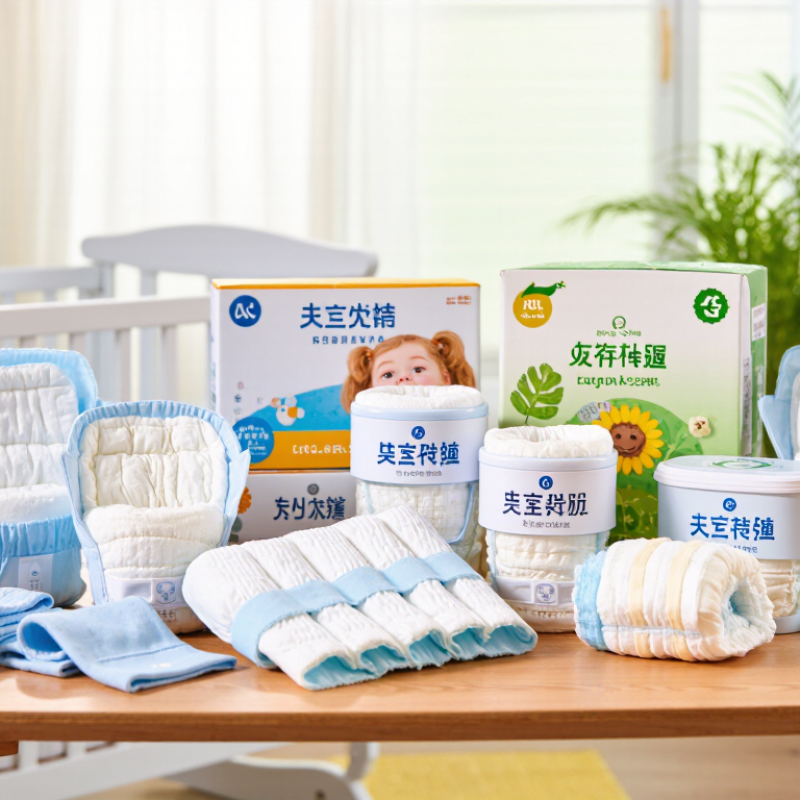
Definition and Purpose of Night Time Diapers
Night-time diapers are absorbent garments designed to manage urine during a child’s longest sleep period. Their purpose is practical: help keep pajamas, sheets, and skin drier until morning. They usually hold more fluid than daytime diapers, but “overnight” does not mean leak-proof for every child. Fit, sleeping position, and individual urine volume all matter. Fit still matters.
The American Academy of Sleep Medicine’s 2016 consensus statement recommends 11–14 hours of sleep per day for children aged 1–2, including naps, and 10–13 hours for ages 3–5. That long sleep window helps explain why caregivers may look for greater overnight absorbency. A diaper can reduce wet bedding, but it does not treat bedwetting or guarantee uninterrupted sleep. A dry morning is not the whole story. Caregivers should check for rubbing, redness, or damp clothing, and change the fit or size when needed. No design solves every leak; that limitation deserves attention, especially when a child wakes uncomfortable. Small details count. Source: Paruthi et al., Journal of Clinical Sleep Medicine, 2016, “Recommended Amount of Sleep for Pediatric Populations.”
Key Product Features and Quality Standards
Nighttime diapers must manage long wear, not just absorb a quick pour. A useful specification tracks absorption speed, total capacity, and rewet under pressure. Rewet matters: a damp inner surface can disturb sleep and irritate sensitive skin. Fit matters too. Leg cuffs should sit flat without leaving deep marks, while waist panels need to flex as a child moves.
Grand View Research estimated the global baby diaper market at USD 72.3 billion in 2023, with a projected 5.7% compound annual growth rate from 2024 to 2030. This market scale makes clear performance testing especially important. Manufacturers should report test conditions, sample sizes, and results rather than relying on claims such as “all-night protection.” ISO 11948-1 describes whole-product testing for urine-absorbing aids; its scope should be checked before applying it to infant diapers. Lab capacity alone does not guarantee overnight dryness.
Quality checks should cover absorbency consistency across production lots, seam strength, adhesive stability, and skin-contact material safety. Inspect the leg gathers after repeated bending, not only on a flat sample. Small leaks matter. A practical assessment should include varied sleep positions and realistic fluid volumes. One limitation remains: no single lab test fully represents every child’s fit or movement. Manufacturers should disclose that gap and avoid treating one strong test result as proof of universal performance.
China’s Leading Night Time Diaper Manufacturers
China’s leading night time diaper manufacturers compete on more than absorbency. Reliable products must manage overnight urine, limit side leaks, and stay comfortable against a child’s skin. Fortune Business Insights valued the global baby diapers market at USD 83.18 billion in 2023, reflecting the scale of demand for dependable diaper products. This figure covers the wider diaper market, not night time diapers alone. For Chinese manufacturers, consistent quality control matters: small differences in core thickness or leg-cuff fit can affect performance during a long night.
Buyers can assess suppliers by asking for test methods, batch records, and clear material specifications. Useful checks include absorbency under pressure, leakage testing, and skin-contact material evaluation. These tests should reflect real use, not just ideal laboratory conditions. A product may perform well in one test and still leak after a restless night. That gap deserves attention. Manufacturers should also explain how they monitor production changes and handle quality complaints, rather than relying on broad performance claims.
Tips: Request samples from more than one production batch. Compare fit, surface dryness, and leakage after several hours of use. Ask how test results were obtained. One sample is not enough.
Manufacturer Capabilities and Product Specializations
China’s night-time diaper manufacturers vary in how they balance absorbency, fit, and production scale. Some specialize in thicker cores for extended overnight use, while others focus on slim designs that allow easier movement. Buyers should ask about core construction, waistband elasticity, leg cuffs, and available sizes. These details often matter more than a product’s stated absorbency alone.
Look for manufacturers that can explain their quality checks with specific examples. They may test absorption speed, rewet, seam strength, and leakage under controlled conditions. A sample with a colored liquid can reveal how quickly moisture spreads, but home testing gives a more realistic view. Real use is different. Ask whether the factory can adjust materials or fit after trial feedback, and whether it maintains consistent specifications across production batches. Export experience and clear inspection records can help buyers assess reliability, though paperwork alone is not proof of performance.
Night-time products are tricky. A very absorbent core may feel bulky, and a close fit can still leave marks on sensitive skin. Small trial orders can expose these trade-offs before larger purchasing decisions.
Criteria for Comparing and Selecting Suppliers
China Top 10 Night Time Diaper Manufacturers
Criteria for Comparing and Selecting Suppliers
Comparing nighttime diaper suppliers takes more than checking advertised absorbency. Request samples in several sizes, then assess fit around the waist and legs. A diaper that holds plenty of liquid may still leak if its cuffs gap during movement. Small details matter. Check the core’s distribution after a measured liquid test, not only its total capacity. Ask for product specifications, material information, and relevant quality-control records. Clear documentation makes supplier claims easier to verify.
Compare consistency across batches, too. Ask how the supplier checks absorbency, dimensions, and seal strength during production. Review sample lead times, minimum order quantities, and capacity for repeat orders. These practical terms can affect planning as much as unit price. Ask for evidence. Skin comfort deserves careful review; inspect surface softness and request information about materials and testing. A bulky sample may perform well overnight but feel uncomfortable to some users. That trade-off is easy to overlook. No single test reflects every child or sleeping position, so record results and seek feedback from intended users before making a larger commitment.