10 Best Blood Component Separators for Global Buyers
Choosing among the 10 Best Blood Component Separators for Global Buyers requires more than comparing prices or advertised speed. A Blood Component Separator must produce consistent red cells, plasma, and platelets under controlled conditions. Its performance affects storage quality, laboratory workflow, and patient care.
Dr. Jeffrey McCullough, a respected transfusion-medicine specialist, once stated, “The right component must reach the right patient at the right time.” This principle remains practical. Buyers should examine separation accuracy, throughput, closed-system compatibility, operator safety, and maintenance support. A reliable unit should handle blood bags smoothly, maintain clean interfaces, and limit unnecessary manual transfers. Small design details matter.
Regional conditions also change the decision. A hospital in a humid coastal city may need stronger environmental protection. A rural blood center may value simple controls and dependable local service. Large processing facilities may prioritize automation, data recording, and continuous operation. Certifications matter, but paperwork alone does not prove daily performance. Speak with current users. Inspect service records when possible.
This guide compares leading models through a global purchasing lens. It considers technical capability, usability, durability, supplier credibility, and total ownership cost. No ranking is perfect. Product availability can change. Independent validation remains necessary before procurement. The best Blood Component Separator is not always the fastest or most expensive model. It is the one that fits the facility, staff, workload, and quality system without creating avoidable risk.
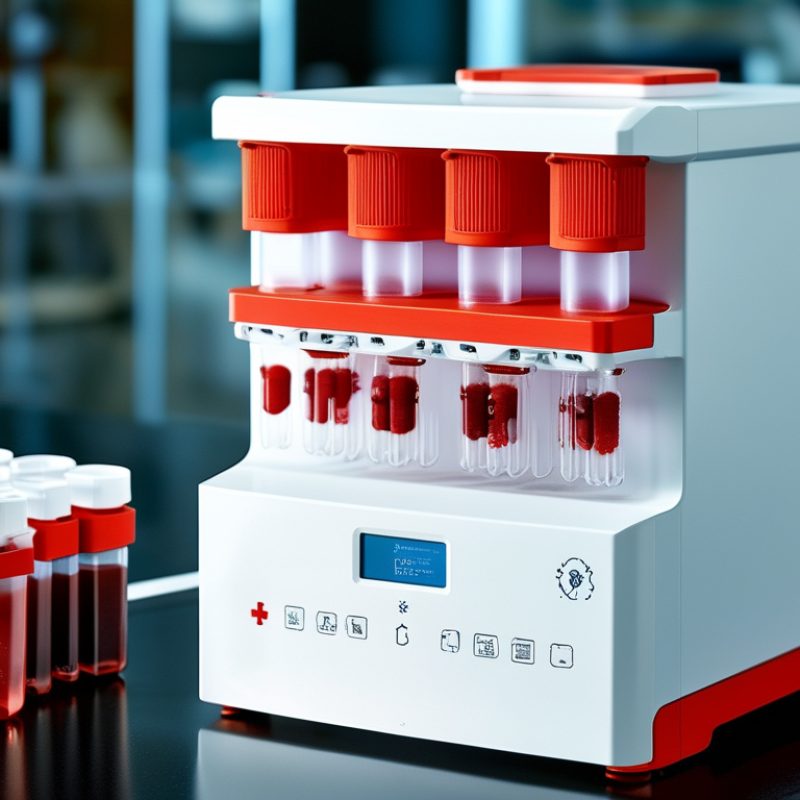
Blood Component Separators: Purpose, Functions, and Main Types
Blood Component Separators: Purpose, Functions, and Main Types
Blood component separators divide whole blood into red cells, plasma, and platelets. They use density differences, controlled centrifugation, or selective collection. This enables targeted transfusion and reduces unnecessary exposure to other components. The WHO Global Status Report on Blood Safety and Availability 2021 recorded about 118.5 million blood donations worldwide. However, collection remains uneven, with 40% occurring in high-income countries. Efficient separation therefore matters in both advanced and resource-limited services.
The main types include refrigerated centrifuge systems, automated component extractors, and apheresis separators. Centrifuges process donated units in balanced batches. Extractors press separated layers into sterile transfer bags. Apheresis systems collect selected cells while returning other blood components to the donor. Operators must control rotor speed, temperature, timing, tubing integrity, and seal quality. Small process errors can alter platelet yield or increase red-cell contamination. That detail is easy to underestimate.
Reliable selection requires more than advertised capacity. Buyers should examine validation records, alarm functions, maintenance access, and compatibility with local blood bags. WHO guidance emphasizes quality systems across collection, processing, testing, and storage. In practice, a technically advanced separator can still perform poorly without trained staff and stable power. The equipment is only one part. Industry assessments often focus on throughput, but recovery rates and component quality deserve equal attention. Perfect separation is an unrealistic expectation. Human review remains necessary.
Key Technologies Used in Blood Component Separation
Blood component separators rely on several technologies to divide whole blood into plasma, red cells, and platelets. Controlled centrifugation remains the core process. It uses carefully selected speed, time, and temperature settings to create distinct layers without excessive cell damage. Modern systems combine centrifuge control with optical sensors. These sensors monitor color, interface movement, and collection volume during separation.
Closed fluid paths help reduce contamination risks and support consistent handling. Sterile connection technology can join tubing without exposing the blood pathway to room air. Leukoreduction filters remove many white blood cells when required by clinical protocols. Some systems also use automated weighing, pressure monitoring, and barcode-based traceability. These features help staff identify deviations before a unit reaches the next processing stage.
Global buyers should examine software controls, maintenance access, power compatibility, and operator training. A machine may perform well in a laboratory but struggle in a busy blood center. Local temperature, voltage stability, replacement parts, and service response deserve equal attention. No separator is perfect. Sensors can drift, tubing can kink, and rushed handling can affect yield. Human review still matters, even with advanced automation. Clear validation records and practical user feedback are more reliable than impressive specifications alone.
How to Assess Separators for Global Procurement
10 Best Blood Component Separators for Global Buyers
How to Assess Separators for Global Procurement
Global procurement should begin with clinical workflow, not a product list. The WHO Global Status Report on Blood Safety and Availability 2021 recorded about 118.5 million blood donations across 171 countries. Nearly 40% came from high-income countries. This gap makes local service capacity as important as separation speed.
Assess processing volume, component yield, temperature control, and operator safety. Ask for validated performance data using your target bags, tubing, and blood volumes. A separator that performs well in a laboratory may struggle during an eight-hour collection shift. Check balancing tolerances, programmable cycles, noise levels, and emergency release functions. Small details matter.
Reliability needs evidence. Request preventive-maintenance records, failure-rate data, spare-parts availability, and documented user training. Review compliance with applicable medical-device requirements and quality systems, including ISO 13485 where relevant. WHO guidance also stresses traceability and quality control throughout the blood chain. Procurement teams should examine how software records lot numbers, operators, alarms, and final component status.
Do not trust the highest throughput figure alone. It may reflect ideal conditions. Real facilities face unstable power, limited technical staff, and irregular workloads. I would also test cleaning time, calibration drift, and recovery after a power interruption. These checks can expose weaknesses before installation. One overlooked issue remains regional support. A low purchase price becomes expensive when a critical sensor waits six weeks for replacement.
10 Best Blood Component Separators for Global Buyers
How to Assess Separators for Global Procurement
This practical procurement model prioritizes separation performance, processing capacity, sterility, regulatory documentation, system compatibility, lifecycle support, and total cost. Buyers can adjust the weighting to match local regulations, blood-center workflows, and annual processing volume.
Regulatory, Operational, and After-Sales Considerations
10 Best Blood Component Separators for Global Buyers
Selecting among the 10 best blood component separators requires more than comparing speed and purchase price. WHO’s Global Status Report on Blood Safety and Availability 2021 recorded approximately 118.5 million blood donations worldwide. About 40% came from high-income countries, although these countries represented only 16% of the global population. This imbalance makes adaptable equipment important for regional laboratories. Buyers should verify local registration, electrical safety, cybersecurity controls, and ISO 13485-certified quality systems. Regulatory acceptance is not automatic. A certificate from one market may not satisfy another authority.
Operational fit matters daily. Check throughput, rotor capacity, temperature control, noise, cleaning access, and emergency release procedures. A separator designed for a large hospital may perform poorly in a smaller facility with unstable power. The WHO report also highlights continuing differences in blood-service infrastructure, so voltage protection and backup procedures deserve practical testing. After-sales support should include operator training, spare-part availability, calibration records, response times, and documented preventive maintenance. A low price can look attractive until one failed sensor stops processing.
Tips: Request a sample workflow demonstration using your own bag formats. Ask for service statistics, not promises. Review three years of complaint and corrective-action records when available. Do not overlook consumable compatibility. It is easy to overestimate automation and underestimate staff training. A short pilot can reveal awkward loading, unclear alarms, or cleaning steps that brochures rarely show.