Top 10 Benefits of Led Therapy for Skin Rejuvenation?
In the realm of skin rejuvenation, Led Therapy stands out as a groundbreaking treatment. With its non-invasive approach, it offers numerous benefits that many seek. Individuals looking for youthful skin often find themselves overwhelmed with options. LED therapy provides a scientific yet accessible solution to address common skin concerns.
This therapy employs different wavelengths of light to enhance skin health. It can stimulate collagen production, reduce inflammation, and improve skin texture. Many users report visible results, making it a popular choice among skincare enthusiasts. However, not all experiences with LED therapy are perfect. Some may find that results vary based on skin types or conditions. This variability calls for a personalized approach, ensuring the treatment meets individual needs.
Experts suggest consulting with skincare professionals before starting LED therapy. They can offer invaluable advice tailored to specific concerns. With proper guidance, patients can navigate the potential challenges and maximize the benefits of LED therapy for skin rejuvenation.
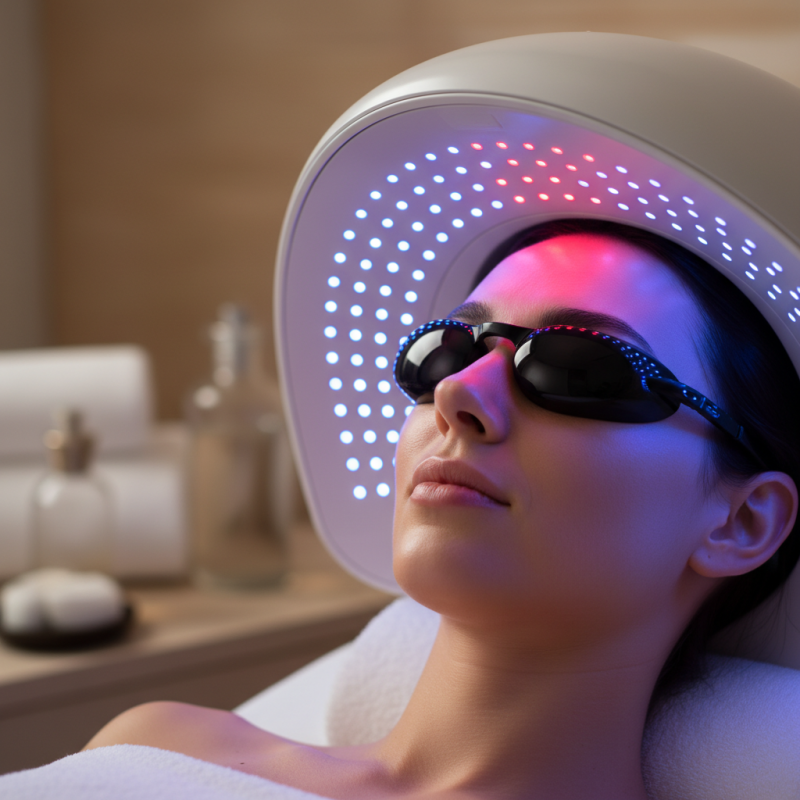
Understanding LED Therapy: What Is It and How Does It Work?
LED therapy has gained attention for skin rejuvenation. This non-invasive treatment utilizes specific wavelengths of light to enhance skin health. Different light colors target various skin concerns. For example, red light stimulates collagen production. Blue light effectively treats acne by reducing bacteria.
When considering LED therapy, it's essential to understand the process. The therapy usually involves a handheld device or a panel. You can perform it at home or in a professional setting. Sessions last about 20 to 30 minutes, making it convenient for busy schedules. Consistency is key for noticeable results.
**Tip:** Always consult a dermatologist before starting treatment. They can assess your skin and recommend suitable wavelengths.
LED therapy is generally safe, but some people experience mild side effects. These may include temporary redness or irritation. It's crucial to observe how your skin reacts. Modify frequency or duration if necessary for your comfort.
**Tip:** Hydration is vital during this treatment. Drink plenty of water and apply a good moisturizer post-session. This can enhance the therapy's effectiveness.
Top 10 Benefits of LED Therapy for Skin Rejuvenation
LED therapy offers a range of benefits for skin rejuvenation, enhancing the appearance and health of the skin through various light wavelengths. This chart illustrates the perceived effectiveness of each benefit based on a scoring scale from 1 to 10.
Key Skin Rejuvenation Benefits of LED Therapy Explained
LED therapy offers numerous benefits for skin rejuvenation. This non-invasive treatment utilizes various wavelengths of light to target specific skin concerns. For instance, red light stimulates collagen production, helping to reduce wrinkles and fine lines. Users often report a more youthful appearance after consistent sessions.
Another key benefit is its ability to improve skin tone and texture. Blue light is effective in treating acne by killing bacteria and reducing inflammation. Many individuals experience fewer breakouts and a smoother complexion. The results are not instant; patience and commitment are essential.
While the benefits are significant, some may not respond as quickly as others. Factors like skin type and overall health can impact results. It's important to approach LED therapy as part of a broader skincare routine. Regular maintenance and realistic expectations are crucial for optimal outcomes.
Different Types of LED Lights and Their Specific Skin Benefits
LED therapy for skin rejuvenation utilizes different types of lights, each offering unique benefits. Red light therapy improves collagen production. According to a 2019 study in the Journal of Emerging Investigators, it may enhance skin texture and reduce fine lines. The wavelengths penetrate deeply, stimulating cellular repair processes and promoting a youthful appearance.
Blue light therapy targets acne-causing bacteria. Research published in the Journal of Clinical and Aesthetic Dermatology in 2020 found it reduces inflammatory lesions by up to 50%. This targeted effect can also balance oil production, leading to clearer skin. It’s a more natural solution for many individuals, yet results can vary based on skin type.
Near-infrared light aids in increasing blood circulation. This enhanced blood flow nourishes skin cells, encouraging a healthier look. Some users experience skin sensitivity as a side effect. Each individual’s experience with LED therapy can differ. A careful approach and personalization is essential for optimal results.
Safety Considerations and Side Effects of LED Therapy for Skin
LED therapy has gained popularity for skin rejuvenation, but safety is paramount. While the procedure is generally safe, some individuals may experience mild side effects. Common reactions include temporary redness, irritation, or a mild stinging sensation. A report by the American Society for Dermatologic Surgery states that adverse effects occur in less than 5% of patients. Skin types can influence these reactions, so personal sensitivity should be assessed before treatment.
Tips for minimizing discomfort include ensuring that the device is held at the appropriate distance from the skin. It is also advisable to perform a patch test prior to full treatment. Many practitioners recommend consulting with a licensed dermatologist. They can provide tailored guidance based on skin type and health history.
Another consideration is the cumulative nature of LED therapy's effects. Some individuals may require multiple sessions, and responses may vary significantly. Reports indicate that while many see improvements within a few sessions, others may not notice results until after several weeks. Tracking your skin's response can be helpful in making informed decisions about the frequency and type of treatments. Listen to your skin; adjust your approach as necessary. Always prioritize safety and comfort in your skincare journey.
Integrating LED Therapy Into Your Skincare Routine for Best Results
Integrating LED therapy into your skincare routine can significantly enhance your results. This treatment uses specific light wavelengths to target various skin concerns. Regular sessions can help with acne, wrinkles, and overall skin tone. It’s essential to remain consistent to see lasting improvements.
When starting LED therapy, consider your skin type and concerns. You might need to experiment with different settings and durations. Track your progress and take notes on what works for you. Not every treatment will yield immediate results, and that’s okay. Learning to adjust your routine takes time and reflection.
Consistency is crucial for maximum benefits. Aim for two to three sessions a week, but listen to your skin. Overdoing it can lead to irritation or redness. Balance is vital. Be patient as you incorporate this technology into your routine. It may take weeks to see visible changes. Celebrate small victories along the way, like improved texture or reduced blemishes. This ongoing journey toward skin rejuvenation requires commitment and thoughtful adjustments.